Logan Weber · 21 October 2026
The Role of Encryption Protocols in Sustaining Secure Exchanges Within Private Digital Clusters
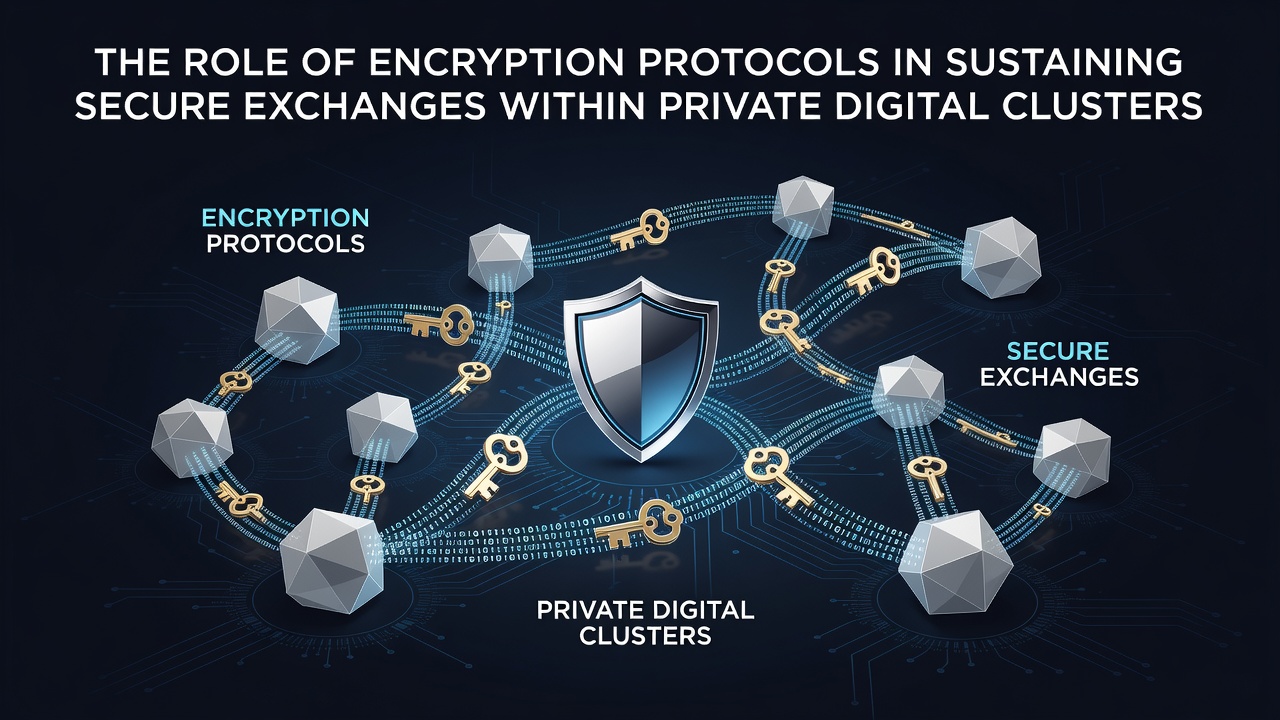
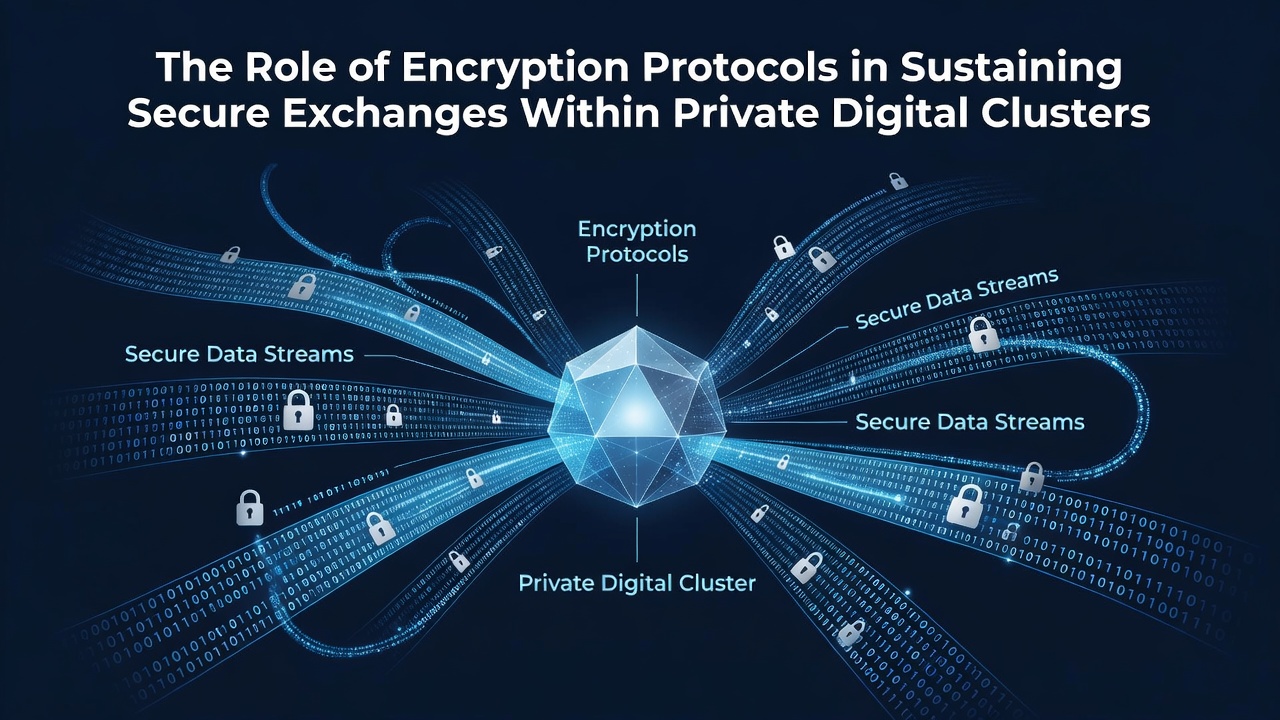
Private digital clusters rely on layered encryption protocols to maintain confidentiality during data exchanges among members, and researchers have documented how standards such as AES-256 combined with TLS 1.3 create barriers against interception in closed environments like invite-only forums and decentralized collaboration platforms. Data from industry reports shows that these protocols operate at multiple points including transport, storage, and key exchange, allowing clusters to handle sensitive information without exposing it to external networks.
Core Protocols and Their Implementation Patterns
Experts note that symmetric algorithms like AES handle bulk data encryption while asymmetric methods such as RSA or ECC manage key distribution, and this division lets private clusters scale their operations efficiently since October 2026 updates to open-source libraries have incorporated post-quantum candidates to address emerging computational threats. Observers point out that protocols including Signal's Double Ratchet and WireGuard's Noise framework appear frequently in cluster setups because they provide forward secrecy, which prevents past session keys from being compromised even if long-term keys leak later.
Those who've studied cluster architectures find that key management systems often integrate with hardware security modules to rotate credentials automatically, and this practice reduces human error in environments where membership changes occur regularly. Figures from academic analyses reveal that clusters using end-to-end encryption report lower incident rates compared to those relying solely on perimeter defenses, though implementation details vary by region and regulatory expectations.
Secure Exchange Mechanisms in Action
Researchers discovered that during file transfers or real-time messaging within clusters, protocols negotiate session parameters through handshake procedures that authenticate participants before any payload moves, and this sequence protects against man-in-the-middle attempts common in shared infrastructure. Studies indicate that private clusters in sectors such as research collaborations and specialized professional networks apply these steps consistently, resulting in measurable reductions in unauthorized access attempts according to NIST cryptographic guidelines.
What's interesting is how metadata protection extends beyond content encryption, with padding techniques and traffic obfuscation hiding communication volumes and patterns, and clusters that adopt these methods maintain operational privacy even when operating across mixed public networks. One study revealed patterns where adoption of ChaCha20-Poly1305 ciphers improved performance on mobile devices without sacrificing security margins, allowing broader participation in global clusters.
Regional Standards and Evolving Requirements
Regulatory frameworks influence protocol selection, with the EU's ENISA publishing recommendations that emphasize interoperability among member states, whereas Canadian authorities through the Communications Security Establishment have issued guidance favoring certain elliptic curves for government-adjacent clusters. These differences create varied adoption curves, yet clusters often align with the strictest applicable standard to facilitate cross-border exchanges without additional reconfiguration.
Evidence suggests that by October 2026 several clusters had begun testing hybrid key encapsulation mechanisms to prepare for quantum-resistant transitions, and this shift aligns with ongoing work at institutions tracking algorithm longevity. People managing such systems report that automated auditing tools now verify protocol compliance in real time, catching misconfigurations before they affect data flows.
Challenges and Maintenance Practices
Clusters encounter difficulties when protocol updates lag behind emerging vulnerabilities, and administrators address this through scheduled audits plus rapid patching cycles that keep implementations current. Data shows that clusters incorporating regular penetration testing alongside protocol reviews experience fewer prolonged exposures, particularly when they draw from diverse sources including Australian Cyber Security Centre advisories that highlight practical deployment lessons.
Yet maintenance extends to user education because even strong protocols fail if endpoints are compromised, so clusters frequently embed training modules that explain key hygiene without requiring deep technical expertise from every participant.
Conclusion
Encryption protocols form the operational backbone that enables private digital clusters to exchange information securely at scale, and ongoing refinements in standards and tools continue to support this function across varied geographic and regulatory contexts. The integration of established algorithms with forward-looking measures positions these clusters to sustain their exchanges amid changing technological landscapes.