Leon Reed · 18 November 2026
How Verified Interaction Logs Shape Trust Dynamics in Invitation-Only Digital Spaces
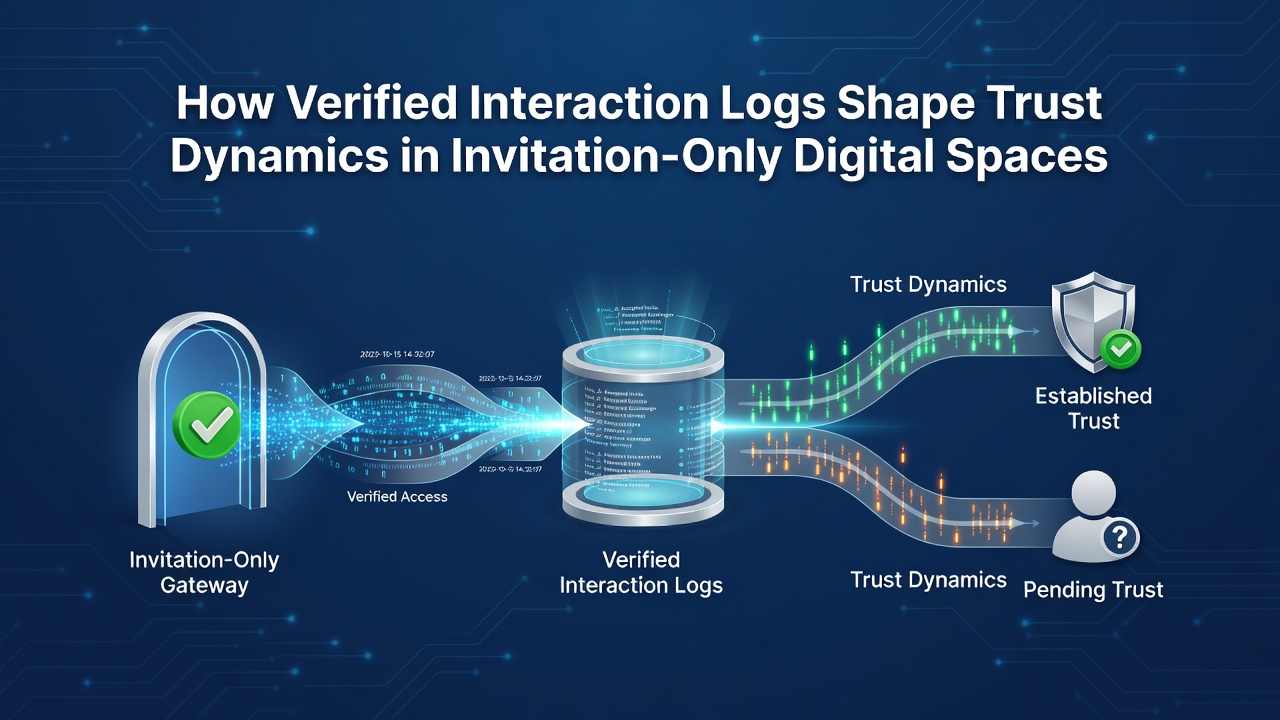
Invitation-only digital spaces rely on controlled access mechanisms that limit participation to vetted members, and verified interaction logs record these exchanges with timestamps, participant identifiers, and action details that platforms authenticate through cryptographic or database-backed methods. Research from the National Institute of Standards and Technology shows that such logs create audit trails which members consult when assessing reliability of others in the group. These records differ from public platform analytics because they operate within closed systems where entry requires sponsorship or approval, which alters how participants evaluate ongoing interactions.
Core Components of Verified Interaction Logs
Verified logs capture elements including message exchanges, file shares, reaction patterns, and session durations while embedding verification markers that confirm the data originates from the platform's authentication layer rather than user edits. Observers note that platforms implement hashing techniques or distributed ledger entries to prevent tampering, which maintains the integrity of the history visible to authorized users. Data indicates that these components allow members to cross-reference claims about past contributions against documented evidence, thereby influencing decisions about extending further invitations or collaborative opportunities within the space.
Trust Formation Through Log Accessibility
Access to interaction histories enables members to identify consistent behaviors over time, such as frequent responses to queries or adherence to group norms documented in prior sessions. Studies from the Australian Cyber Security Centre reveal patterns where groups with comprehensive log visibility experience fewer disputes over contribution accuracy because participants reference the records directly during discussions. Yet the structure of invitation-only environments means that only existing members review these logs, which concentrates trust evaluation among a smaller cohort compared to open forums. This concentration produces dynamics where newcomers undergo accelerated scrutiny once they gain entry, as their initial logged actions set baselines that later interactions either reinforce or contradict.
Platforms in November 2026 began integrating standardized log export functions following updates from the European Union Agency for Cybersecurity that outlined interoperability guidelines for private networks. These functions permit members to analyze aggregated data across multiple invitation-only groups without exposing raw identifiers, which supports comparative assessments of interaction reliability across different communities.
Mechanisms Linking Logs to Reputation Building
Reputation within these spaces emerges when members aggregate log data into informal profiles that highlight metrics like response rates, topic engagement depth, and conflict resolution outcomes. Researchers at the University of Toronto's Citizen Lab have documented cases where groups weighted verified logs more heavily than self-reported achievements when deciding on role assignments or resource allocations. The process unfolds through repeated consultations of the records, where positive patterns accumulate into perceived dependability while gaps or inconsistencies prompt additional verification requests from other participants.
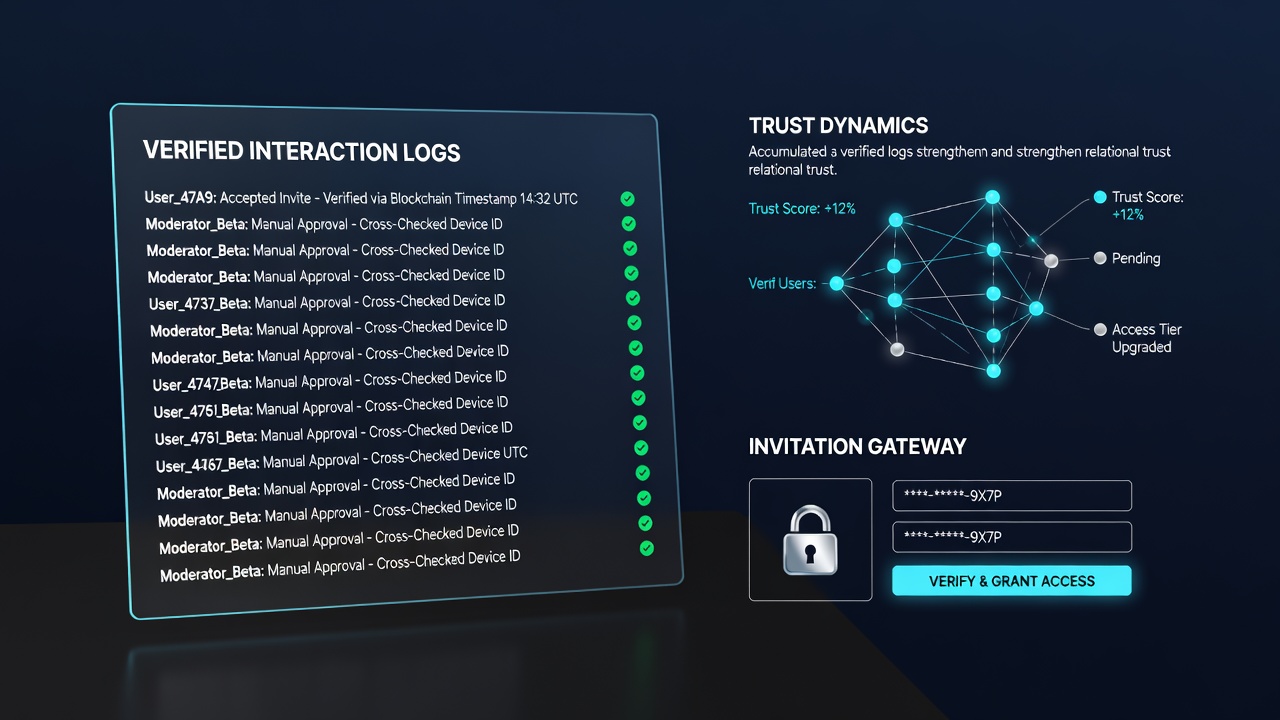
One notable development involves algorithmic summaries that platforms generate from the logs, presenting members with neutral overviews of activity distribution rather than requiring manual review of every entry. Industry reports from the Information Technology and Innovation Foundation indicate that these summaries reduce cognitive load during trust assessments, particularly in larger invitation-only networks where full log volumes exceed practical reading capacity. Members still retain the option to drill into raw entries when summaries raise questions, which preserves the option for detailed verification when stakes involve sensitive collaborations.
Challenges in Log Interpretation and Bias Mitigation
Interpretation of verified logs carries risks when context surrounding recorded actions remains incomplete, such as external events that prompted specific interaction spikes not captured in the platform data alone. Groups address this through supplementary annotation features that allow members to attach verified context notes linked to specific log entries, a practice documented in research published by the Berkman Klein Center at Harvard University. These annotations undergo the same verification protocols as core logs to prevent retroactive alterations that could distort trust signals.
Geographic distribution of platform users further complicates log-based trust because time zone differences affect apparent activity rhythms, and members in regions with stricter data regulations may see limited log granularity. Canadian privacy frameworks, for instance, require explicit consent mechanisms before detailed interaction histories become visible even within closed groups, which shapes how trust accrues differently than in jurisdictions with lighter oversight.
Conclusion
Verified interaction logs function as foundational infrastructure in invitation-only digital spaces by supplying authenticated records that members use to calibrate expectations and allocate collaborative resources. Evidence from multiple research institutions demonstrates that these logs influence trust formation through direct accessibility, summarized insights, and supplementary context tools, while regulatory variations across regions continue to modulate their implementation. As platforms refine export and analysis features following November 2026 guidelines, the role of these records in sustaining group cohesion within restricted environments remains a measurable factor in digital interaction patterns.